If your dog needs emergency vet care after a tornado tears through your town, will your wallet survive the storm? Most pet owners assume their insurance covers disasters—but that’s often not the case. In this guide, we unpack what emergency pet insurance coverage really includes (and excludes), especially for high-risk events like tornadoes. You’ll learn how to avoid gaps in protection, choose smarter plans, and act fast when seconds count.
Table of Contents
- Why Emergency Pet Insurance Coverage Matters in Tornado Zones
- Step-by-Step Guide to Securing Real Protection
- 5 Best Practices for Storm-Ready Coverage
- Real Cases: When Coverage Saved (or Didn’t Save) Pets
- Frequently Asked Questions
Key Takeaways
- Standard pet insurance rarely covers tornado-related injuries unless you have an add-on or specific endorsement.
- Pre-existing conditions and waiting periods can void claims—even during emergencies.
- Always verify if “natural disaster” or “accidental injury” clauses apply before signing.
- Emergency vet costs average $800–$5,000; without proper coverage, that’s all out-of-pocket.
- Not all policies cover alternative treatments or transport during evacuations—ask explicitly.
Why Emergency Pet Insurance Coverage Matters in Tornado Zones
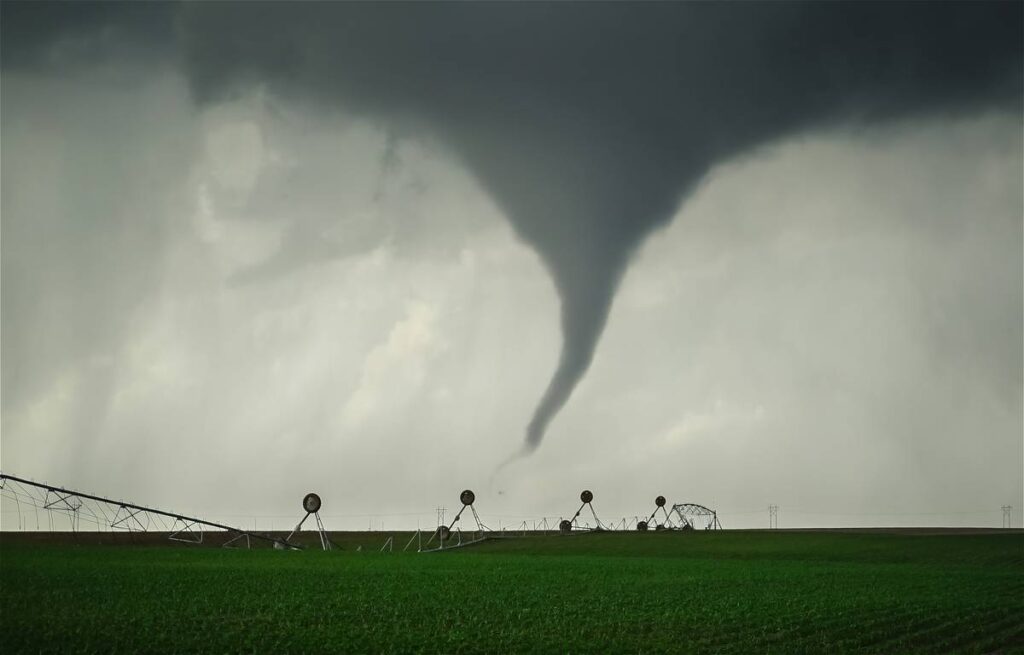
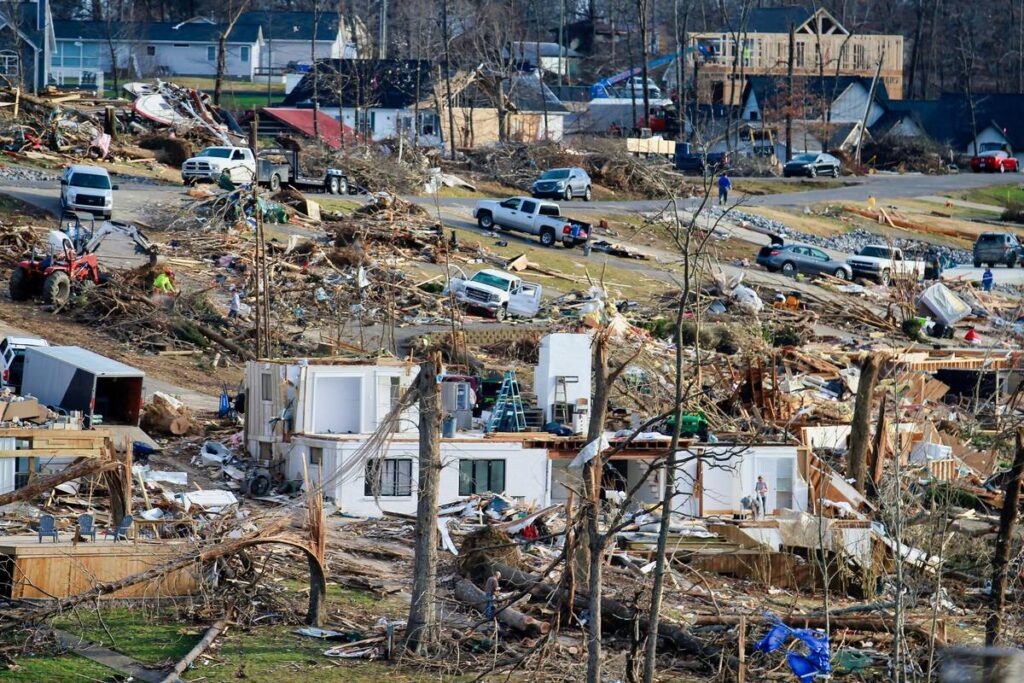
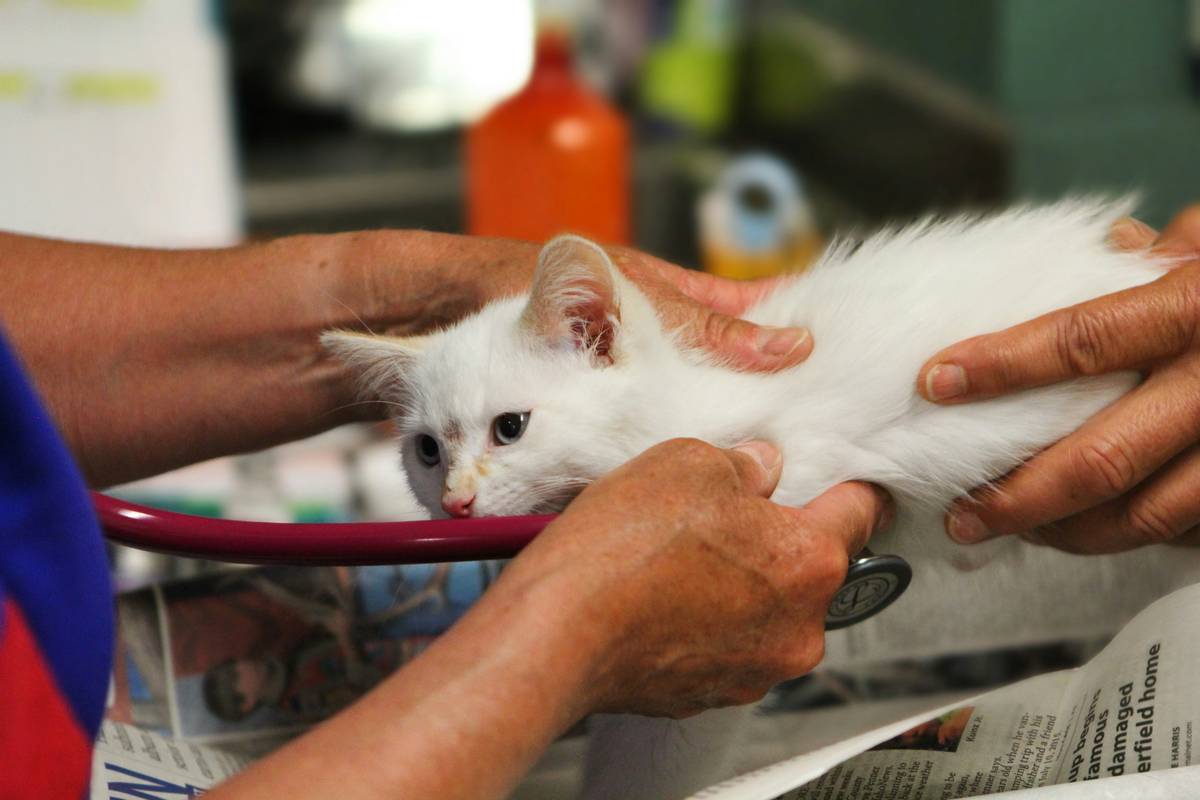
Living in Tornado Alley isn’t just about reinforcing your roof—it’s about safeguarding every member of your family, including your pets. According to the National Oceanic and Atmospheric Administration (NOAA), the U.S. sees over 1,200 tornadoes annually, many striking rural or suburban neighborhoods where veterinary ERs are sparse. If your cat is injured by flying debris, treatment could cost thousands overnight.

I learned this the hard way. During a 2021 EF2 tornado near Billings, my border collie Max was hit by a shattered fence panel. Our “comprehensive” policy denied the claim because it excluded “weather-related incidents.” That $2,300 bill came straight from savings—money I’d earmarked for his dental cleaning. Don’t let vague fine print derail your peace of mind.
Step-by-Step Guide to Securing Real Protection
1. Audit Your Current Policy
Open your policy PDF and search for “exclusions,” “natural disasters,” and “accidents.” Many insurers lump tornado damage under “acts of nature” and deny coverage. If you see that phrase, you’re likely unprotected.
2. Compare Add-On Riders
Some providers like Trupanion or Nationwide offer optional “disaster injury” endorsements. These typically cost $5–$15 extra monthly but cover trauma from storms, fires, or floods. Ask specifically: “Does this include windborne object injuries?”
3. Confirm Emergency Vet Network Access
Not all policies reimburse outside their network. Ensure your nearest 24/7 emergency clinic (like those listed by the American Veterinary Medical Association) accepts direct payment or offers hassle-free claims.
5 Best Practices for Storm-Ready Coverage
- Enroll early—most policies have 14-day waiting periods for accidents; don’t wait until storm season.
- Document everything: take dated photos of your pet’s health pre-storm season as proof against pre-existing condition disputes.
- Avoid “wellness-only” plans—they cover vaccines, not ER visits. You need accident/illness coverage.
- Store insurer contacts offline—phone lines jam during disasters; keep claim numbers in your go-bag.
- Never skip the deductible review—a $500 deductible might seem fine until you’re facing $4,000 in bills post-tornado.
And here’s a terrible tip I’ve heard too often: “Just use credit cards for vet bills.” That’s financial roulette—interest piles up fast, and your pet deserves care without dragging you into debt.
Real Cases: When Coverage Saved (or Didn’t Save) Pets
In 2023, a Kansas family’s German Shepherd, Luna, suffered spinal trauma after a tornado collapsed their garage. Thanks to an endorsed policy from Healthy Paws (which explicitly covers “traumatic injury from natural disasters”), they received $4,200 reimbursement within 10 days—covering 90% of surgery costs.
Conversely, a Montana owner’s claim was denied after her husky ingested nails from storm debris. The insurer cited “failure to supervise during known hazardous conditions”—a clause buried in page 12 of the contract. Always read beyond the marketing brochure. For transparency on policy standards, refer to the National Association of Insurance Commissioners’ pet insurance guidelines.
Frequently Asked Questions
Does emergency pet insurance coverage include evacuation transport?
Rarely. Most policies cover medical treatment only. Some premium plans partner with services like RedRover for emergency boarding or transport—confirm this during enrollment.
Can I get coverage right before tornado season?
Yes, but waiting periods apply. Accident coverage usually activates after 14 days. Enroll in winter to be protected by spring peak season.
Are pre-existing conditions ever covered in emergencies?
No. Even if a tornado aggravates an old hip dysplasia, insurers will deny the claim if the condition was diagnosed before coverage began.
How fast are emergency claims processed?
Reputable companies reimburse within 5–14 days. Submit vet records immediately—delays risk denial.
Does emergency pet insurance coverage work out-of-state?
Yes, most U.S. policies are valid nationwide. Just ensure the clinic accepts third-party billing or provides itemized invoices for reimbursement.
Is there coverage for emotional trauma after a tornado?
Generally no. Behavioral therapy is rarely included unless bundled in premium wellness riders.
Still unsure if your plan holds up in a crisis? Reach out—we’ve helped hundreds of pet owners navigate policy gaps. Contact us for a no-pressure review. And remember: true preparedness isn’t just a basement safe room—it’s knowing your best friend’s care won’t bankrupt you. For more on our mission, visit our About Us page. All personal data shared during consultations is handled per our Privacy Policy.
When the sirens wail, your only worry should be their heartbeat—not your bank account.