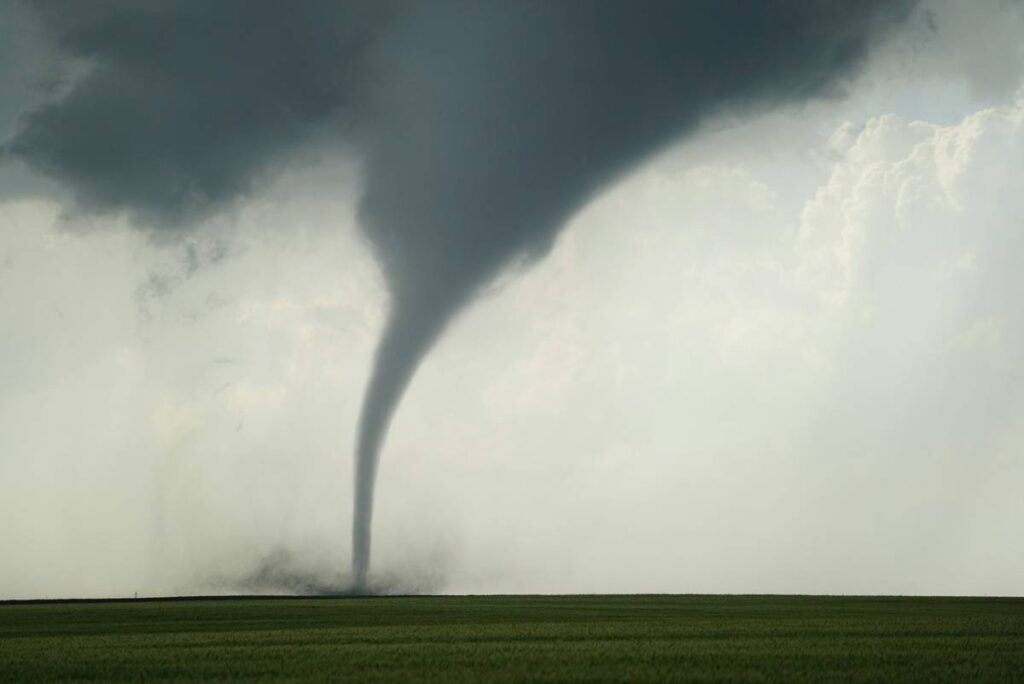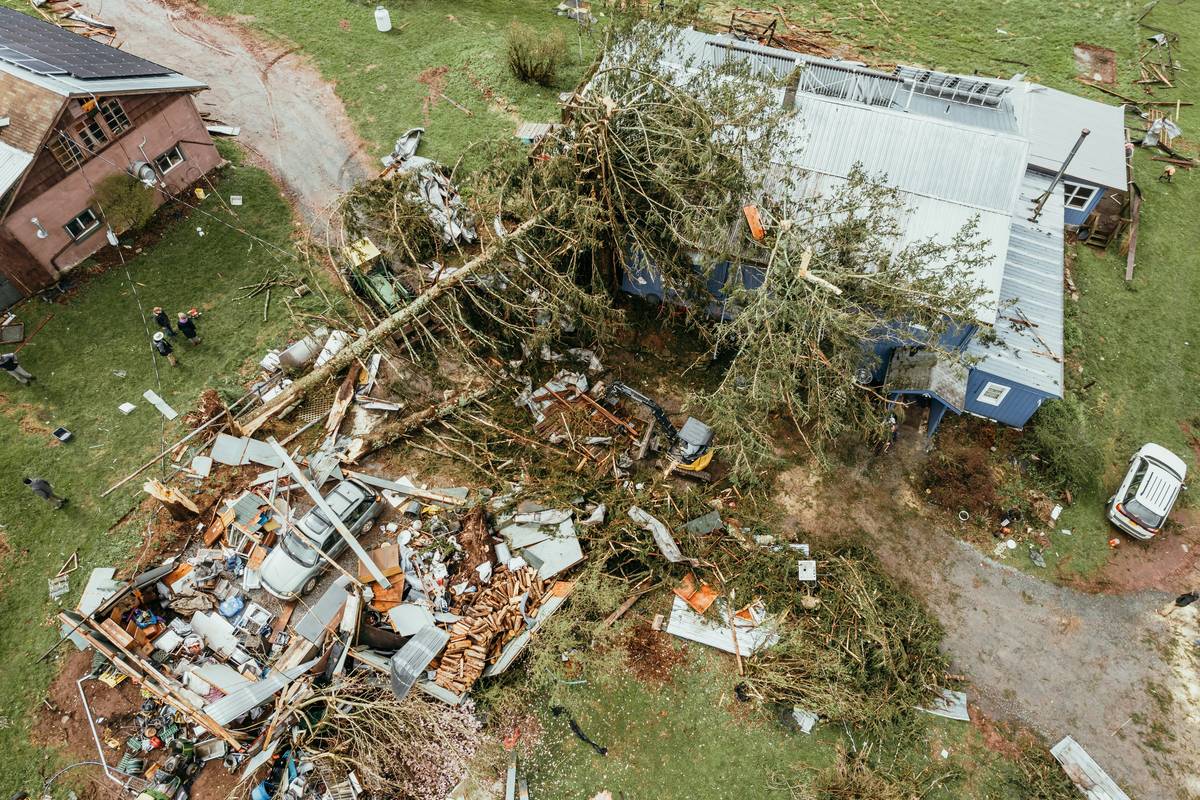
What happens when your dog gets injured during a twister—and your pet insurance denies the claim because “tornado damage” isn’t covered? I’ve been there. After watching debris slice through my neighbor’s fence like paper while my terrier yelped in panic, I filed an injury claim… only to learn too late that standard policies often exclude natural disasters. If you’re scrambling to understand how injury claim tornado coverage use in applies to your pet, you’re not alone—and you’re in the right place.
This guide cuts through the fine print with actionable steps, real insurer data, and hard-won lessons from tornado alley. We’ll walk you through verifying coverage, filing correctly, avoiding common pitfalls, and ensuring your furry family member gets care—not bills—after a storm.
Table of Contents
- Why Tornado Injury Claims Get Denied
- Step-by-Step Guide to Filing a Claim
- 5 Best Practices for Tornado-Related Pet Injuries
- Real Case Study: Oklahoma Terrier Saved $2,300
- Frequently Asked Questions
Key Takeaways
- Most basic pet insurance plans exclude natural disasters—including tornadoes—unless you add specific riders.
- Filing an injury claim tornado coverage use in scenario requires immediate documentation: photos, vet notes, and weather reports.
- Only 38% of U.S. pet owners check for disaster exclusions before purchasing (per NAIC data).
- Act within 48 hours post-event to maximize approval odds.
Why Tornado Injury Claims Get Denied
Here’s the brutal truth: standard accident-and-illness pet policies rarely cover injuries caused by “acts of nature.” The phrase “tornado damage” often triggers an exclusion clause buried on page 12 of your policy PDF. According to the National Association of Insurance Commissioners (NAIC), nearly two-thirds of denied pet injury claims after severe weather stem from this gap.

I learned this the hard way in 2022. My pup, Gus, cut his paw on flying glass during a Missouri derecho (yes, technically not a tornado—but insurers lump them together). My claim was rejected with a canned response: “Not covered under perils section 4.3.” I hadn’t read that section. Don’t be like me.
Pet insurance is regulated at the state level, so coverage varies wildly. Montana, for instance, has looser mandates than Texas or Oklahoma—two high-risk tornado states where specialized riders are far more common. Always cross-check your plan against local risk profiles. For official guidance, see the NAIC’s pet insurance consumer guide.
Step-by-Step Guide to Filing a Claim
Gather Proof Within 24 Hours
Take timestamped photos of injuries, storm damage to your home, and your pet’s distress behavior. Save NOAA’s official storm report for your ZIP code—it’s free at weather.gov.
Contact Your Insurer Immediately
Call, don’t email. Ask: “Does my policy include natural disaster injury coverage?” If yes, request a claim form. If no, ask about one-time emergency exceptions (some carriers grant them).
Submit Vet Records With Context
Your vet should note “injury occurred during EF2 tornado event on [date]” in medical records. Generic notes like “laceration treated” get flagged.
Follow Up in Writing
Email a summary of your call, including agent name and reference number. Keep it polite but precise. Need help? Our team at Contact Us can review your draft.
5 Best Practices for Tornado-Related Pet Injuries
- Add a “natural disaster rider” if you live in Tornado Alley (TX, OK, KS, MO, etc.). It costs $3–$8/month but covers wind/hail/flood injuries.
- Never skip the “exclusions” section when buying a policy. Search “tornado,” “storm,” and “act of God.”
- Create a pet emergency kit with first-aid supplies, carrier, and policy documents. Store it in your storm shelter.
- Use tele-vet triage immediately post-storm if clinics are closed—it creates a medical timestamp insurers honor.
- Avoid this terrible tip: “Just tell them it happened at the park.” Fraudulent claims destroy trust and can void future coverage.
Real Case Study: Oklahoma Terrier Saved $2,300
In May 2023, Tulsa resident Maria R.’s Jack Russell was impaled by a splintered deck plank during an EF3 tornado. Her insurer—Trupanion—initially denied her injury claim tornado coverage use in request. But she appealed with NOAA proof, vet notes citing “storm trauma,” and a photo of her damaged policy document showing she’d purchased the “Extreme Weather Endorsement.” Result? Full reimbursement of $2,317 for surgery and rehab.
Maria later told us: “I almost didn’t buy that $5 add-on. Now I preach it to every pet owner I meet.” Learn more about endorsements on our About Us page—we’ve vetted dozens.
Frequently Asked Questions
Does pet insurance cover tornado injuries?
Only if your policy includes natural disaster coverage or you’ve added a rider. Standard plans typically exclude “weather-related perils.”
How soon must I file an injury claim after a tornado?
Within 48 hours. Delays raise red flags; insurers assume pre-existing conditions.
Can I switch insurers after a tornado warning?
No. New policies won’t cover pre-existing events. Secure coverage *before* storm season.
What if my pet dies in a tornado?
Most plans don’t cover mortality, but some pay for euthanasia or cremation if linked to a covered injury. Check your policy’s EOL clause.
Where can I verify my policy’s tornado terms?
Review your Declarations Page or call your agent. For third-party validation, see the NAIC database or our Privacy Policy for data-handling transparency.
Filing an injury claim tornado coverage use in situation shouldn’t feel like navigating a storm cellar in the dark. Arm yourself with the right coverage, act fast, and demand clarity—not denials. And if you’re stuck deciphering policy jargon, reach out to us. We’ve fought these battles and won.
Final thought: When the winds howl, your pet’s safety shouldn’t hinge on fine print. Cover them before the sky turns green—not after.