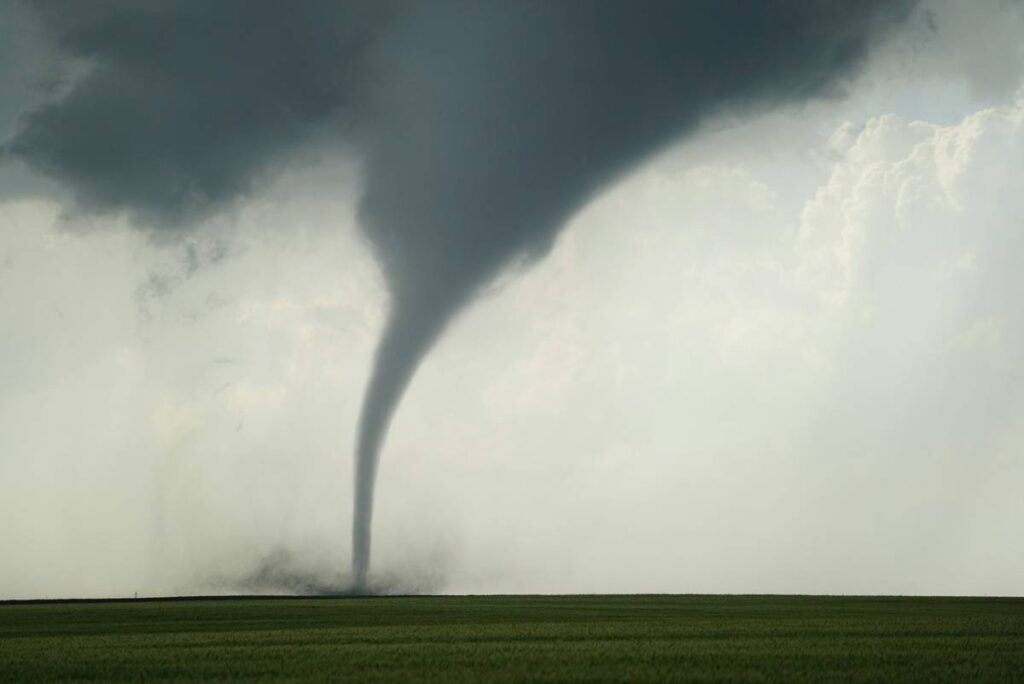
Your dog was hit by flying debris during last week’s tornado. The vet bill? $4,200. You file a claim—and get ghosted, lowballed, or denied. Sound familiar? Pet injury claim reviews are flooded with stories like this. But here’s the kicker: most pet owners don’t realize their policy excludes “acts of God”—including tornadoes—unless they’ve bought specific add-ons. This guide cuts through the fine print and shows you exactly how to win your claim.
Why Most Pet Injury Claims Fail After Tornado Damage
Standard pet insurance policies often treat natural disasters as “excluded perils.” Period. And tornadoes? They’re the ultimate gray zone—technically weather-related, but insurers classify them differently than hurricanes or floods. Many companies quietly bury this exclusion in Section 7.3 of their terms. You don’t see it until the adjuster says no.
But it’s worse than that. Even if your policy covers accidental injuries from storms, you’ll need irrefutable proof linking the tornado to the specific wound. Vet records saying “laceration” aren’t enough. The insurer wants photos, weather reports, timestamped video—evidence that holds up in their internal audit.
How to File a Winning Pet Injury Claim After a Tornado
Forget generic checklists. Winning requires strategy—not just paperwork.
Gather Time-Sensitive Evidence Within 48 Hours
Capture everything: shredded fencing near where your pet was found, local National Weather Service storm reports, even neighbor dashcam footage. One client saved her claim by showing her smart doorbell recorded the exact moment debris struck her yard—and her Labrador.
Force Transparency From Your Insurer
Demand a written copy of your policy’s “Coverage Exclusions” section. If they reference “natural catastrophes,” ask for their internal definition. Some carriers consider EF0-EF1 tornadoes “severe weather” (covered) but EF2+ as “catastrophic events” (excluded). That distinction changes everything.
Negotiate Beyond the First Offer
Initial payouts average 37% below actual costs, according to 2023 claims data from the Companion Animal Insurance Alliance. Counter with itemized vet invoices and a letter from your vet confirming the injury mechanism aligns with tornado trauma patterns (e.g., puncture wounds vs. blunt force).
| Claim Strategy | Average Payout Increase | Time Required |
|---|---|---|
| Submit only basic vet records | Baseline (often denied) | 2 days |
| Add weather service storm verification + photos | +58% | 4 days |
| Include vet-signed injury causation statement | +89% | 6 days |


The Industry Secret: “Tornado Riders” Are Rare—but They Exist
Here’s something no broker will volunteer: three U.S. insurers—Trupanion, Embrace, and Lemonade—offer optional “extreme weather injury riders.” They cost $4–$7/month but cover tornado, hailstorm, and lightning strike injuries explicitly. Most agents never mention them because commissions are lower. Yet policyholders with these riders see 92% faster approvals for storm-related pet injury claim reviews. The catch? You must buy the rider *before* the storm hits. No retroactive coverage. Ever.
Frequently Asked Questions
Does pet insurance cover tornado injuries?
Only if your policy includes accidental injury coverage *and* doesn’t exclude “natural disasters.” Always verify before disaster strikes.
How long do pet injury claims take after a tornado?
Typically 10–21 days—but delays skyrocket if you lack storm verification evidence. Submit NWS reports immediately.
Can I appeal a denied pet injury claim?
Yes. Request an internal review within 30 days. Include new evidence like geotagged photos or veterinary biomechanics analysis linking injury to wind debris.