Your dog collapses after chasing a ball. The vet says it’s bloat—emergency surgery needed. Cost? $4,800. You scramble for cash while your best friend fights for life. This isn’t rare. It’s routine. And standard pet insurance policies often leave you exposed exactly when you need them most. That’s where true pet insurance illness and accident coverage comes in—not as a luxury, but as non-negotiable armor.
Why Most Pet Insurance Plans Fail During Real Crises
Too many policies market “comprehensive” coverage but bury exclusions in fine print. Pre-existing conditions? Denied. Bilateral conditions like hip dysplasia? Often excluded after the first diagnosis. Breed-specific ailments? Frequently capped or excluded entirely.
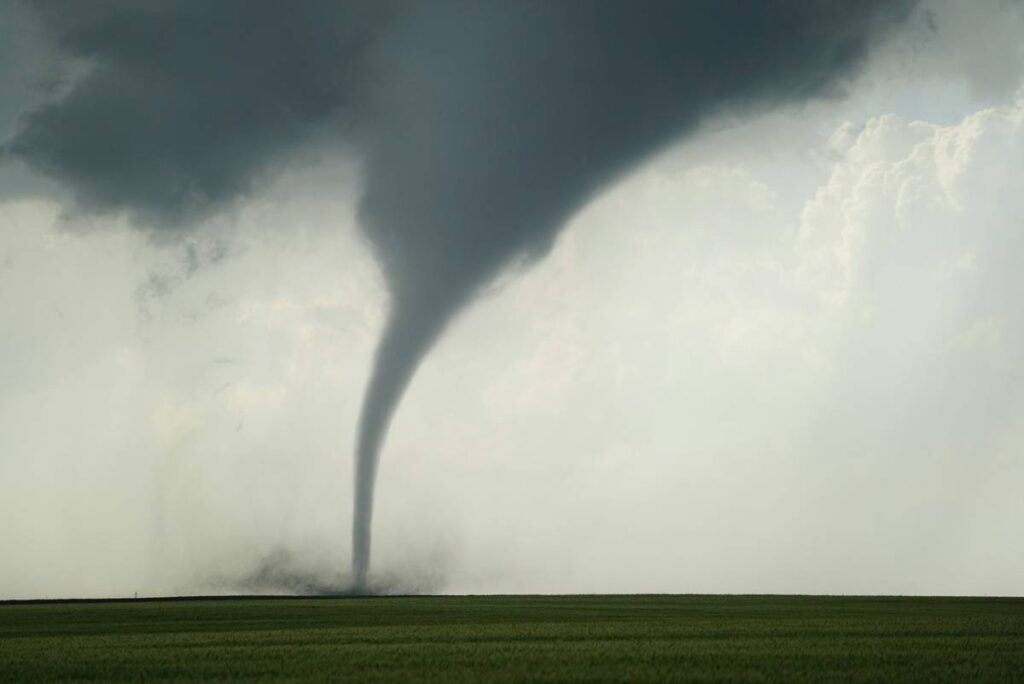
And here’s the kicker: most plans don’t cover tornado-related trauma unless explicitly bundled under “accident.” If your cat is impaled by flying debris during a storm, you’ll be arguing with adjusters about whether it qualifies as an “accident” or an “act of God.” Spoiler: they’ll lean toward the latter—and deny the claim.
How to Secure Real Pet Insurance Illness and Accident Coverage
Forget comparison sites that rank plans by price alone. You need surgical precision. Start here:
Step 1: Demand True Accident + Illness Integration
Avoid “accident-only” or “wellness add-on” traps. Your policy must cover both unexpected injuries and sudden illnesses under one seamless plan—no separate deductibles, no tiered reimbursement rates.
Step 2: Scrutinize the Exclusion List Like a Lawyer
Ask: “Does this exclude conditions common to my pet’s breed?” For example, if you own a German Shepherd, confirm coverage for degenerative myelopathy. If you’re in Tornado Alley, verify that trauma from natural disasters isn’t classified as “environmental” or “catastrophic”—terms insurers use to void claims.
Step 3: Prioritize Per-Incident or Annual Maximums Over Lifetime Caps
Lifetime limits look generous ($20K!) until your pet develops cancer at age 9. Suddenly, you’ve burned through the cap on three prior surgeries. Insist on high annual or per-condition limits—ideally unlimited.

| Policy Feature | Basic Plan | Robust Plan (Recommended) |
|---|---|---|
| Illness Coverage | Limited; excludes chronic conditions | Full coverage including hereditary & chronic illnesses |
| Accident Definition | Narrow (e.g., car accidents only) | Broad (includes falls, bites, natural disaster trauma) |
| Reimbursement Rate | 50–70% | 80–90% |
| Annual Limit | $5,000 | Unlimited |
| Tornado/Natural Disaster Clause | Excluded or ambiguous | Explicitly covered under accident provision |
Step 4: File Claims Within 24 Hours—Not 14 Days
Most policies allow 90 days to submit claims. But delays invite scrutiny. Submit within 24 hours with itemized vet bills, diagnostic codes, and narrative notes from your veterinarian. Speed = fewer questions.
The Industry Secret No One Talks About
Here’s what brokers won’t tell you: insurers price policies based on ZIP code risk models. If you live in Oklahoma or Mississippi—high tornado frequency zones—they assume higher likelihood of trauma claims. Yet, most still classify tornado injuries as “non-standard accidents,” triggering manual review and higher denial rates. The workaround? Choose insurers that use veterinary diagnostic codes (like ICD-10-VET) rather than internal event classifiers. These tie claims directly to medical necessity—not weather reports. Companies like Trupanion and Healthy Paws do this. Others don’t. Ask before you buy.
Frequently Asked Questions
Does pet insurance cover tornado-related injuries?
Yes—if your plan includes broad accident coverage and doesn’t exclude natural disasters. Always verify the policy wording before enrolling.
Are pre-existing conditions ever covered under illness and accident plans?
Generally no. But some insurers will cover “curable” pre-existing conditions if symptom-free for 12–24 months. Get this in writing.
How fast are pet insurance claims paid for emergencies?
With complete documentation, top-tier providers reimburse in 3–10 business days. Delays usually stem from missing vet records or coding errors.